Eating Well on GLP-1 Medications: What to Prioritize When Your Appetite Changes
Reviewed By Jennifer Chung, MD
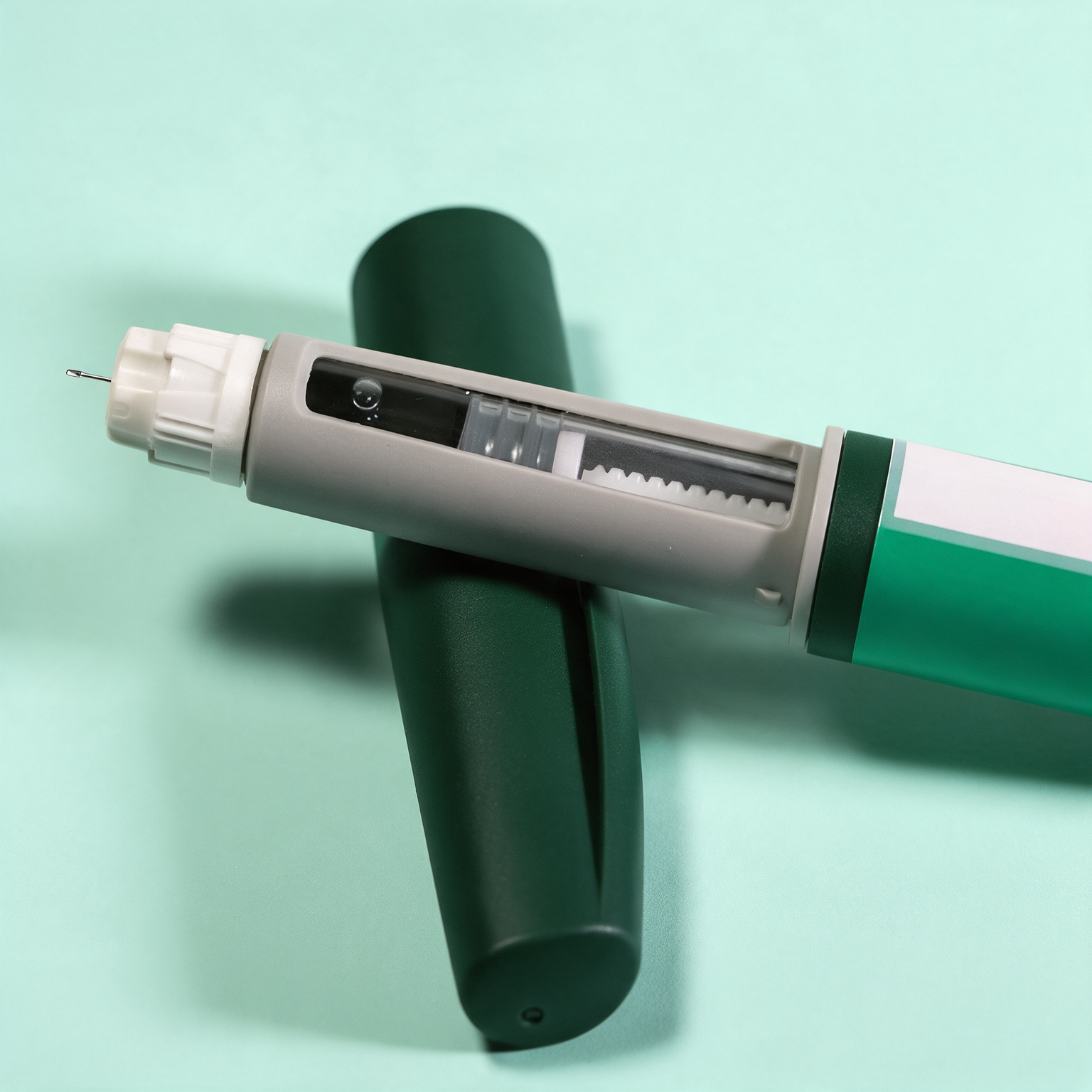
GLP-1 medications have changed the conversation around weight management, but they also change the way many people experience food. Appetite may decrease dramatically, portions can become much smaller, and some people experience nausea, reflux, bloating, constipation, or other gastrointestinal symptoms.
That makes nutrition especially important. When you are eating substantially less, every bite has to work a little harder to provide the protein, vitamins, minerals, fiber, fluids, and other nutrients your body needs.
The goal shouldn’t simply be to eat less. It should be to make the food you are able to eat as nourishing as possible.
Why GLP-1 medications change the way we eat
GLP-1 medications mimic the actions of a naturally occurring hormone called glucagon-like peptide-1. Among their effects, they help regulate blood glucose, slow the movement of food out of the stomach, and influence the part of the brain involved in fullness.
Those effects can be helpful for reducing hunger and increasing satiety, but they can also make eating enough of the right foods more challenging.
With a smaller appetite and, for some people, significant gastrointestinal symptoms, overall calorie and nutrient intake can fall. That creates potential concerns around inadequate protein, dehydration, micronutrient deficiencies, and loss of muscle and bone mass.
This is why I encourage people taking GLP-1 medications to think beyond the number on the scale and pay attention to the quality and composition of what they are eating.
Think protein first
When food intake is reduced, protein is one of the first nutrients I want people to consider.
A significant portion of weight lost while taking a GLP-1 medication can come from muscle mass, which makes preserving lean tissue an important part of a healthy weight-loss strategy. Protein is important, but protein alone isn’t enough. Resistance exercise is also an important component of maintaining muscle.
Because appetite can make large portions difficult to finish, I often recommend choosing protein-rich foods that provide a substantial amount of protein without requiring a large volume of food.
Good options include:
Fish and seafood
Eggs
Greek yogurt and cottage cheese
Lean poultry and meat
Tofu, tempeh, and edamame
Soy or pea protein powders
Nuts, seeds, and nut butters
Protein-fortified drinks, bars, or other products when appropriate
Smoothies can be particularly useful when appetite is low. A smoothie can combine protein with fruits, vegetables, and other nutrient-dense ingredients without requiring someone to sit down to a large meal.
Don’t forget plants & fiber, but introduce them thoughtfully
Once protein is addressed, the next priority is nutrient-dense plant foods.
Fruits, vegetables, whole grains, and legumes provide fiber along with a wide range of vitamins and minerals. They can be an important part of a nutritious eating pattern while taking a GLP-1 medication.
However, more fiber isn’t always better, particularly when someone is just beginning treatment.
Because GLP-1 medications already slow gastric emptying, suddenly increasing fiber or consuming large amounts of highly fermentable foods can contribute to bloating, nausea, or constipation. I generally recommend increasing fiber gradually and paying attention to individual tolerance.
Healthy fats have a place, too
Unsaturated fats—such as those found in olive oil, avocado, nuts, and seeds—provide important nutrients and help with absorption of fat-soluble vitamins.
But portion size is important.
Large amounts of fat, particularly fried or very fatty foods, can further slow gastric emptying and may aggravate symptoms such as nausea, reflux, and bloating. The goal isn’t to eliminate fat; it’s to use moderate amounts that fit comfortably into a smaller meal.
Bone health deserves attention
Muscle isn’t the only tissue worth protecting during substantial weight loss. Bone health deserves attention, too.
Rapid and substantial weight loss can affect bone turnover and bone mineral density, which is one reason I encourage people taking GLP-1 medications to focus on getting enough protein, calcium, vitamin D, and other bone-supporting nutrients.
Some useful food sources include:
Milk, yogurt, and cheese
Canned fish with edible bones, such as sardines and salmon
Fortified cereals and plant milks
Eggs and fatty fish
Dark leafy greens and cruciferous vegetables
Legumes, nuts, seeds, and whole grains
These foods provide combinations of calcium, vitamin D, protein, magnesium, potassium, vitamin K, and other nutrients involved in maintaining healthy bones.
Nutrition is only part of the picture. Resistance and impact exercise, combined with adequate nutrition, can provide important support for maintaining muscle and bone during weight loss.
For some people, supplementation may also be appropriate. Whether calcium, vitamin D, or a multivitamin is needed is something to discuss with your healthcare provider based on your individual diet and nutritional status.
Smaller meals can make eating easier
One of the simplest strategies I recommend is to stop thinking in terms of three large meals if those meals have become difficult to tolerate.
Smaller, more frequent meals or snacks can be much easier to manage. For many people, eating something every three to four hours can help them distribute their protein and nutrients throughout the day without overwhelming their stomach.
The texture of food can make a difference, too. When the stomach feels unsettled, softer or drier foods and lower-fat, lower-viscosity foods may be easier to tolerate.
And if a full meal feels unappealing, a smoothie, protein drink, yogurt, eggs, or another nutrient-dense snack may be a more practical way to get nourishment in.
Pay attention to foods that trigger symptoms
There isn’t one universal GLP-1 diet because individual tolerance varies. However, certain foods and drinks commonly make gastrointestinal symptoms more difficult to manage.
These may include:
Fried and very fatty foods
Spicy foods
Very high-sugar foods
Alcohol
Carbonated beverages
Very large meals
Fatty foods can further slow gastric emptying, while spicy foods and alcohol may aggravate nausea or reflux. High-sugar foods may contribute to nausea or diarrhea for some people, and carbonated beverages can worsen bloating.
That doesn’t mean every person needs to avoid every one of these foods. Tolerance varies, so I prefer an individualized approach rather than a long list of absolute prohibitions.
It’s also worth remembering that highly refined carbohydrates, sugar-sweetened beverages, processed meats, and ultra-processed snack foods generally offer less nutritional value than nutrient-dense whole foods. When you’re eating less overall, choosing foods that deliver more nutrition per bite becomes particularly valuable.
Don’t overlook hydration
Drinking enough fluid can become surprisingly difficult when your appetite and stomach capacity are reduced.
One strategy is to space fluids throughout the day rather than drinking large amounts with meals. This can help prevent beverages from taking up too much of the limited stomach volume available for food.
Watch for signs that you may not be getting enough fluid. Dark or infrequent urination, dry mouth, dizziness or lightheadedness, fatigue, and palpitations can all be signs of dehydration that deserve attention.
Know when you’re not eating enough
Reduced appetite is an expected effect of these medications, but there is a difference between eating less and consistently failing to meet your body’s nutritional needs.
Persistent fatigue or weakness, ongoing nausea or diarrhea, or finding that you can eat only a few bites at a meal may indicate that your intake is too low.
Muscle loss can sometimes show up as changes in everyday function—for example, new difficulty getting up from a chair or climbing stairs.
Other potential signs of nutritional deficiencies include excessive hair loss, poor wound healing, unusual bruising, muscle weakness, and significant fatigue.
These aren’t symptoms to simply push through. They are reasons to talk with your healthcare team and evaluate what’s happening.
A practical way to build your meals
When appetite is limited, I like to keep the strategy simple:
Start with protein. Choose a high-quality, relatively low-volume protein source and make it the anchor of the meal or snack.
Add plants as tolerated. Include vegetables, fruit, whole grains, or legumes to provide fiber and micronutrients, increasing fiber gradually if needed.
Include a little healthy fat. Use foods such as nuts, seeds, avocado, or olive oil in portions that you tolerate comfortably.
Keep portions small. You don’t need to force yourself to finish a large plate.
Eat regularly. Smaller meals or snacks every few hours may be more manageable than waiting until you’re hungry enough for a traditional meal.
Use liquid or soft foods when necessary. Smoothies, yogurt, eggs, and protein drinks can be practical options when solid food isn’t appealing.
Most importantly, don’t skip meals simply because you’re not hungry. Appetite suppression can make it easy to unintentionally under-eat for extended periods.
The bigger picture
GLP-1 medications can be an important tool for some people, but nutrition shouldn’t become an afterthought once appetite decreases.
Healthy weight loss isn’t just about losing weight. It’s also about supporting the body through that process—maintaining muscle and bone, meeting nutrient needs, staying hydrated, and finding an eating pattern that is sustainable and comfortable.
Because everyone’s response to these medications is different, nutrition recommendations should be individualized. I strongly encourage anyone taking a GLP-1 medication to work with a healthcare provider who understands the medications and their potential side effects and can provide appropriate nutrition guidance.
Regular follow-up, including laboratory monitoring when appropriate, can help identify nutritional deficiencies and track changes in weight, muscle mass, and other aspects of health before small problems become bigger ones.
The most important takeaway is simple: when you have less room for food, make the food you do eat count.